The Art of Minimalist Composition in Architecture
How to use negative space, geometry, and strong shadows to create striking minimalist architectural photographs that tell a story through subtraction.
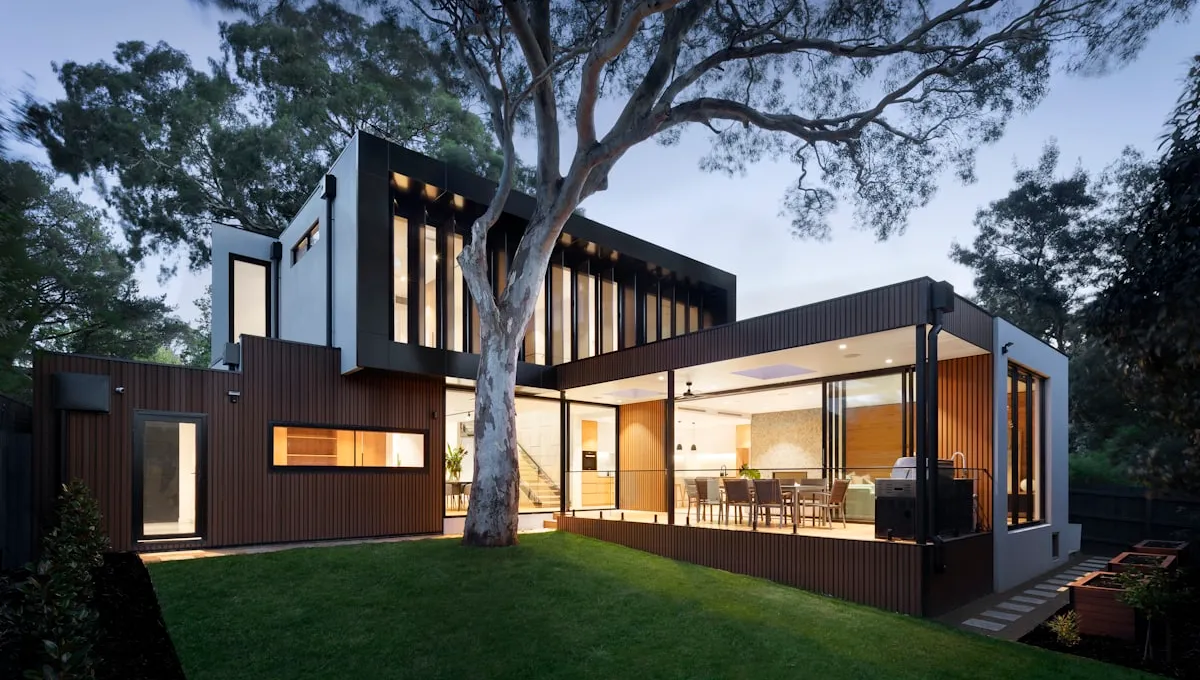
In a world filled with visual noise, minimalism is a breath of fresh air. In photography, minimalist composition is not about having nothing in the frame—it is about having just the right elements to guide the viewer’s eye without distraction.
When shooting architecture, this style of composition becomes incredibly powerful. Here is how to master the art of subtraction in your compositions.
1. Embrace Negative Space
Negative space is the empty area surrounding your subject. In architectural photography, this could be a blank sky, a massive concrete wall, or a shadow.
Negative space gives the subject room to breathe. Instead of cluttering the frame with multiple details, try isolating a single window against a massive facade. The empty space emphasizes the scale and geometry of the structure, creating a sense of calm and order.
2. Hunt for Patterns and Symmetry
Modern architecture is full of repetition. Columns, balconies, windows, and panels create natural patterns.
You can use these patterns to guide the viewer’s gaze. Aligning your camera parallel to these repeat structures creates absolute symmetry. Alternatively, breaking a pattern—such as having one window open on a grid of closed ones—creates an immediate focal point that tells a subtle human story.
3. Shadows as Lines
Shadows are not just dark areas; they are shapes. Under hard, direct sunlight, concrete structures cast sharp, high-contrast shadows.
Look at these shadows as graphical lines that can divide your frame, create diagonals, or lead the eye. A diagonal shadow cutting across a minimalist concrete wall turns a simple photo into a complex graphic design composition.
Conclusion
Minimalism is not about emptying the frame, but about clarifying it. The next time you stand before a building, ask yourself: What elements can I remove from this frame while still telling the story? Focus on the lines, the light, and the space, and let the geometry speak for itself.